


Customer Responsibility

Decent Work and Economic Growth
Responsible Consumption and Production
Partnerships for the Goals
Importance and Mission
Ichitan Group Public Company Limited (“the Company”) prioritizes the quality and safety of its products. It has established a quality and product safety policy to guide operations across the entire value chain, with a commitment to delivering products that are high-quality, meet established standards, and are safe for consumers, while also considering social responsibility toward society and all stakeholders.
The Company operates under a quality and food safety management system compliant with international standards. There is control and risk management of factors that may affect the quality and safety of products in every step, from the selection of raw materials, production, storage, to product distribution, to ensure that every bottle of product is in accordance with specified standards, including related laws and requirements. Furthermore, the Company fosters continuous improvement through internal audits, risk assessments, consumer complaint handling, and data analysis to improve operational processes systematically.
The Company promotes the creation of a Quality and Food Safety Culture to be a shared responsibility of employees at all levels through training, internal communications, and awareness-raising initiatives. This fosters trust with consumers and stakeholders and supports the organization’s sustainable growth.
Stakeholders Directly Impacted

Consumers

Employees

Society and Community

Business Partners / Creditors
Goal and Performance Highlights
Goals





Performance Highlights






Management Approach
Product Quality and Safety Policy and Governance
The Company has established a policy and framework for quality and product safety governance to ensure compliance with legal requirements and international standards. It places great importance on quality control throughout the value chain, from raw material selection and the production process to distribution (from upstream to downstream), to build confidence among consumers and stakeholders. Furthermore, the Company oversees regular monitoring of performance and reporting of relevant issues to senior management, enabling appropriate and timely situation assessment, decision-making, and corrective action.
Quality Management and Food Safety Standards
The Ichitan Green Factory operates under international quality management and food safety systems including GHP, HACCP, FSSC 22000 Version 6.0, ISO 22000:2018, ISO 9001:2015, HALAL CICOT, and HALAL Indonesia. This ensures control of product quality and safety risks, and continuous adherence to production standards in accordance with legal requirements and international standards.
Risk Management and Product Safety Control System
The Company has implemented a comprehensive risk management plan for product safety, covering prevention of raw material adulteration (Food Fraud) and the prevention of sabotage in the production process (Food Defense), alongside a product traceability system capable of tracking information throughout the supply chain – from raw materials and production to distribution. Regular mock recall exercises are conducted to test the system’s effectiveness and ensure readiness for emergency situations.
Management of Complaints from Partners and Consumers
The Company values feedback from partners and consumers, gathered through satisfaction assessments and various complaint channels with a system in place to monitor and analyze the root causes of issues, and to implement systematic improvements for the continuous development of product quality and operations.
Promotion of Food Quality and Safety Culture
The Company continuously promotes employee development of knowledge and awareness regarding food quality and safety through ongoing training, internal communications, and the organization of projects or activities that provide opportunities for employee participation annually. This supports adherence to international standards in food quality and safety processes.
Implementation and Performance
Integrated Management Policy
The Company has established an “Integrated Management Policy” to serve as a framework for its operations, with a commitment to developing and producing high-quality, hygienic, and safe products. This is carried out through operations that prioritize environmental stewardship, efficient energy consumption, and pollution prevention, all managed via an effective integrated management system aligned with international standards. The Company also promotes continuous improvement and adherence to applicable laws and regulations, fostering trust and ensuring maximum customer satisfaction.
This policy has been communicated to all employees and stakeholders to ensure comprehension and concrete implementation. Performance is regularly monitored and reviewed to guarantee operational alignment with quality and product safety objectives, and to support the organization’s sustainable development.
Product Quality and Safety Governance
The Company has identified product quality and safety as key components of its Enterprise Risk Management (ERM) system. These are considered strategic risks with a significant impact on consumer confidence and business sustainability. Management of these risks is overseen by the Risk Management Committee, which is responsible for defining the risk management framework, monitoring performance, and regularly reviewing the effectiveness of control measures.
The Company continuously monitors and reports on product quality and safety performance to senior management, including key metrics, customer complaint trends, significant incidents, and the status of corrective and preventative actions. This performance is reviewed at least annually.
At the operational level, the Quality Assurance Department oversees daily operations, monitors quality and food safety indicators, analyzes and assesses potential risks, and implements proactive preventive measures to prevent and reduce the likelihood of incidents that could affect consumers. Key issues are regularly reported to senior management. In the event of high-risk incidents or potential impacts on consumers, the organization’s reputation, or legal compliance, the Company has established an expedited reporting procedure for relevant senior management to ensure timely assessment of the situation, decision-making, corrective action, and communication with stakeholders.
Quality and Product Safety Processes
The Company manages product quality and safety across the entire value chain, from upstream, midstream to downstream processes. This includes establishing integrated management policies and procedures, with a strong emphasis on proactive risk management, systematic process control, and continuous improvement. These efforts ensure the Company’s products are high-quality, meet required standards, and are safe for consumers.
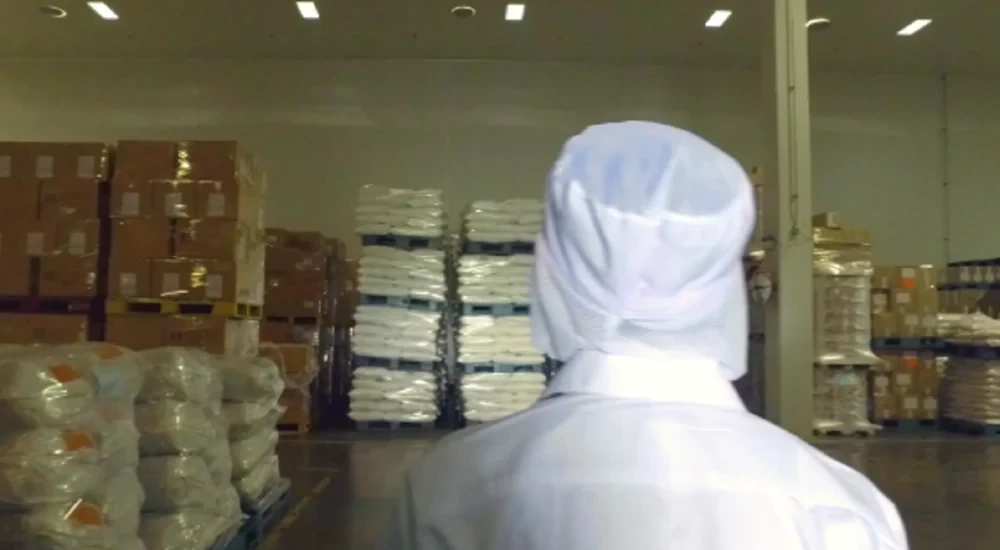
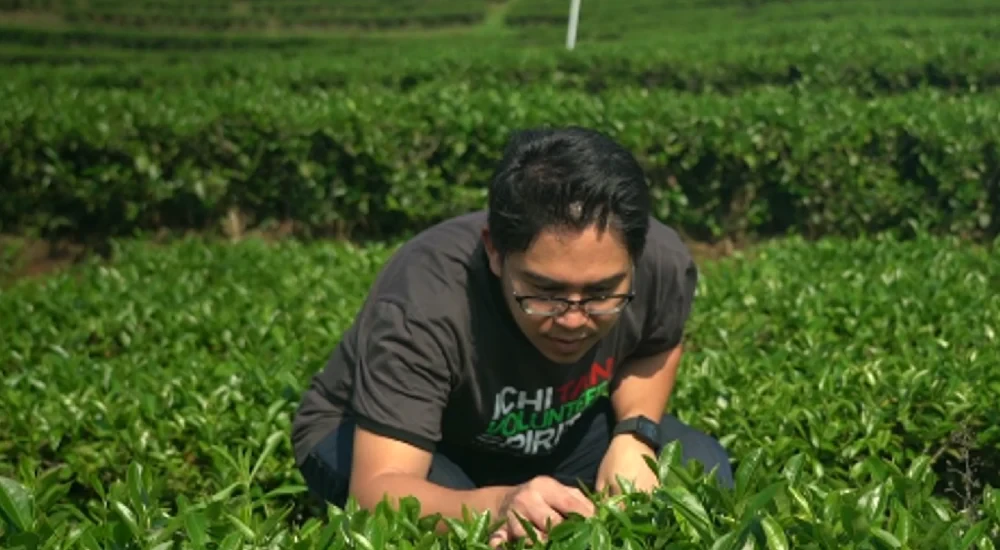
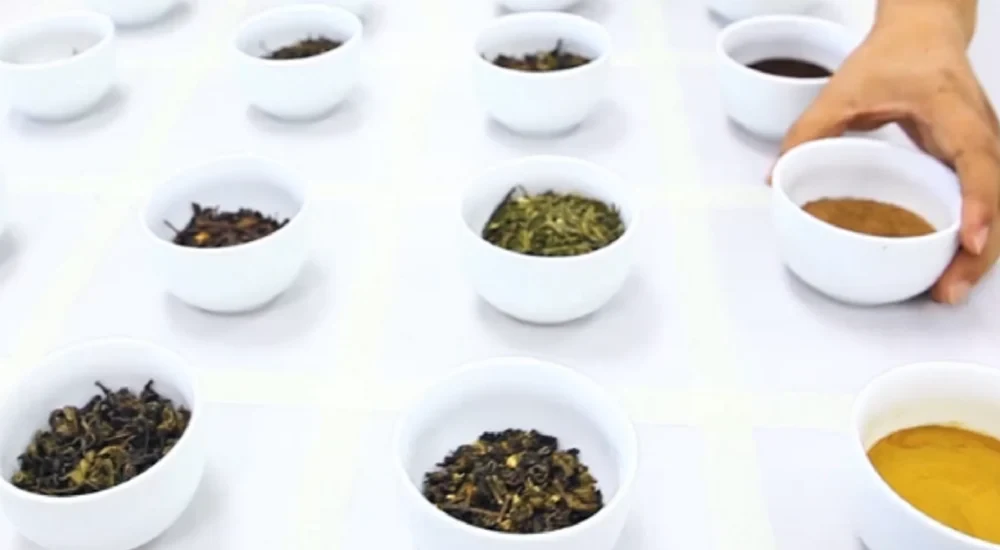
Upstream Process – Safe Raw Material Sourcing
- Select and evaluate suppliers of raw materials and packaging based on quality and safety criteria, with transparency and in compliance with applicable standards and legal requirements.
- Clearly specify the requirements for raw materials and packaging, including allergen and contaminant control.
- Inspect raw materials and packaging quality before acceptance and store them according to Good Hygiene Practice (GHP) guidelines to prevent contamination.
- Assess food safety risks of raw materials and packaging, and regularly monitor supplier performance.
Midstream Process – Quality and Safety Control of the Production Process
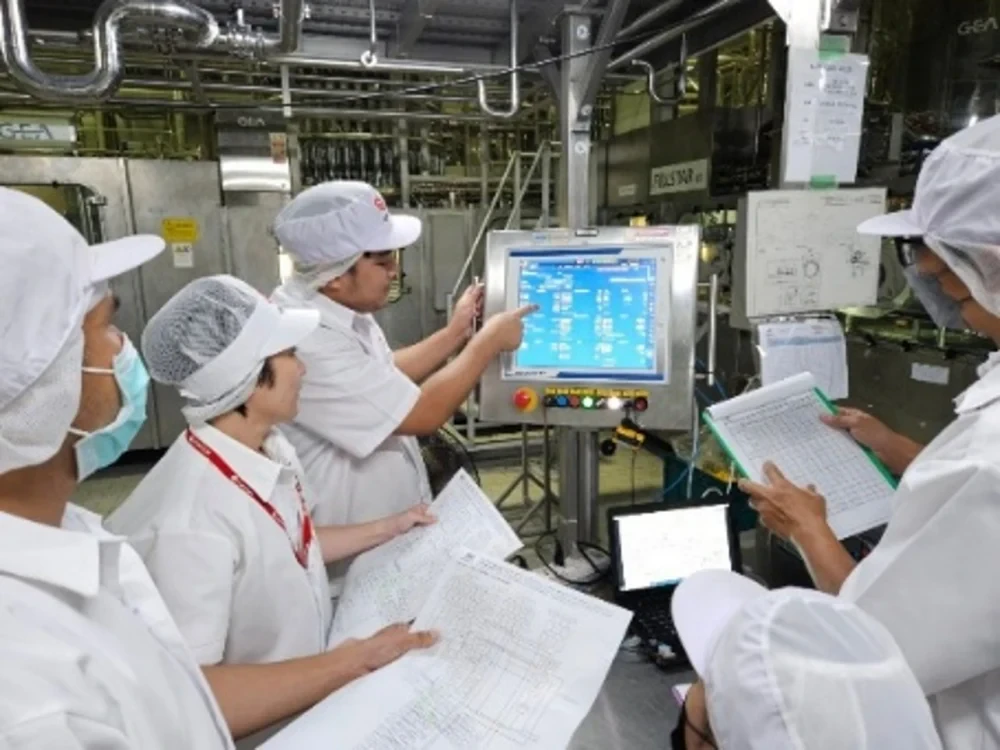
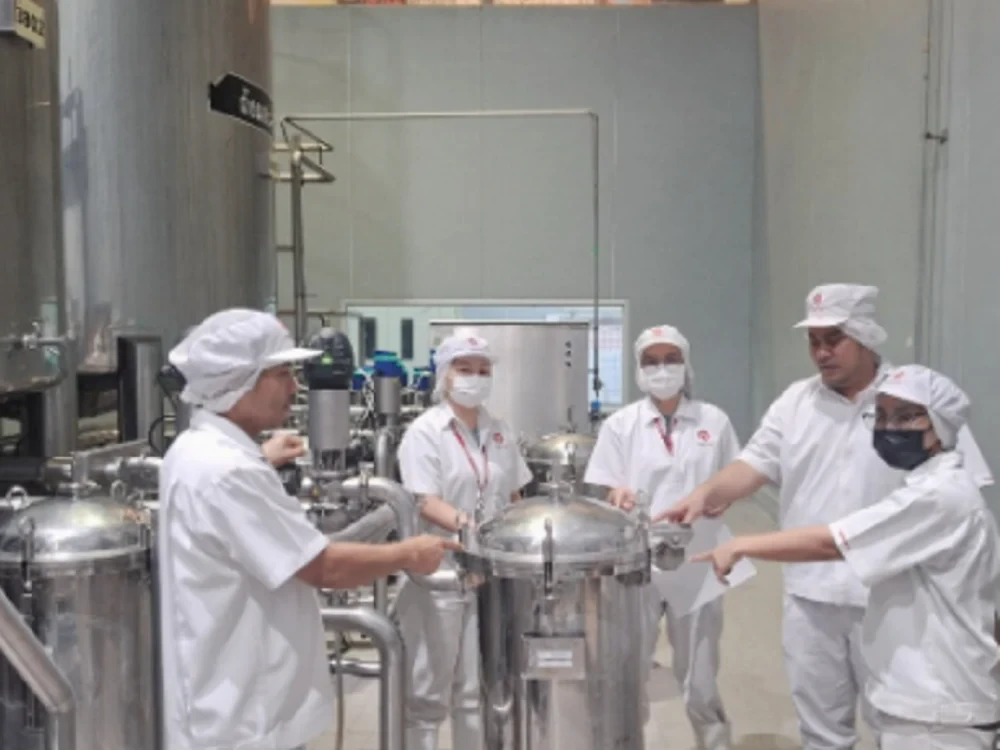
- The production is conducted under international standards GHP, HACCP, ISO 22000, and FSSC 22000, with identification and control of critical control points (CCPs) and key control points.
- Control the production environment, machinery, equipment, and employee hygiene to prevent physical, chemical, and biological contamination.
- Inspect and verify the production process to ensure products meet quality and safety requirements.
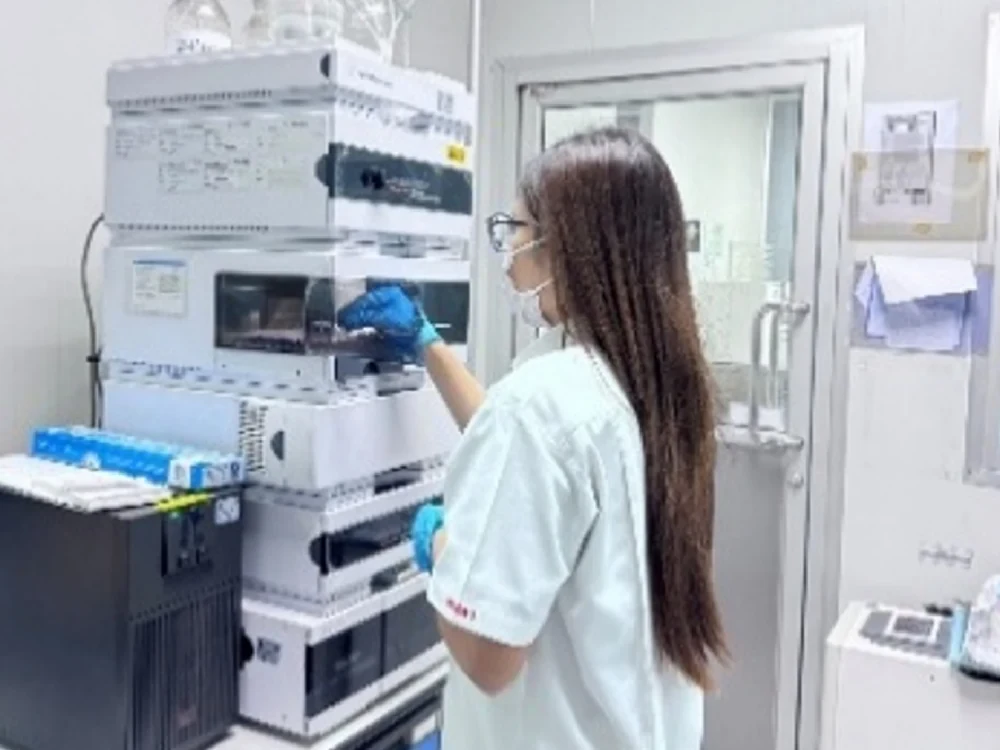
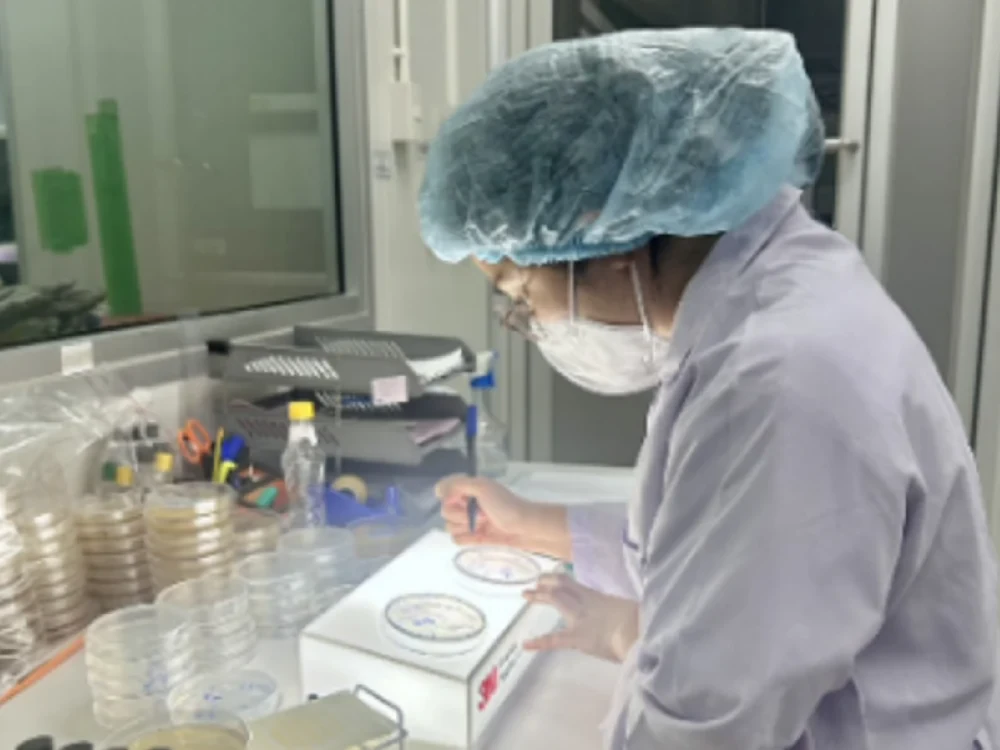
- The Company’s products are analyzed both during the production process and as finished goods in our Company laboratory, which performs physical, chemical, microbiological, and sensory testing to verify compliance with quality and safety standards.
- Manage changes and take corrective action systematically when non-compliance is identified.
Downstream Process – Product Quality Assurance and Complaint Tracking
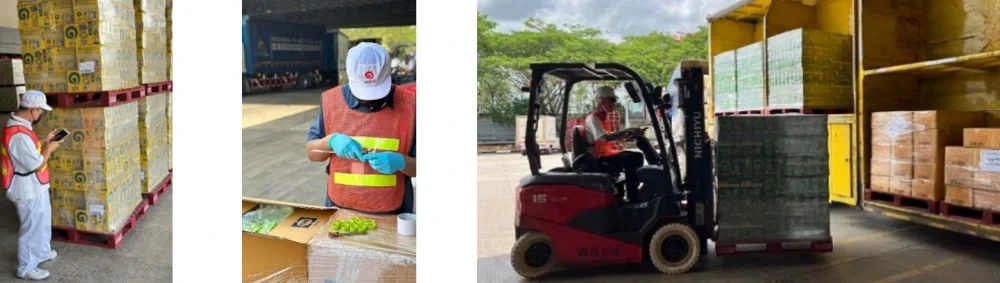
- Control the storage and transportation of products to ensure they are handled appropriately for the product characteristics, maintaining product quality and safety.
- Implement a traceability system and develop a product recall plan to prepare for emergency situations.
- Manage consumer complaints systematically and analyze the data to continuously improve product quality.
- Communicate product information accurately and transparently, such as labels, nutritional information, and allergen warnings, to protect consumers.
Food safety is a significant issue that consumers are paying increasing attention to continuously. As a result, the Company prioritizes the management of product quality and safety to ensure consumer confidence and minimize risks from food consumption that may involve contamination.
The Company systematically controls food safety throughout the entire food chain, from raw material selection and production processes to quality control, storage, and distribution. It continuously implements international management systems, including GHP, HACCP, ISO 22000:2018, FSSC 22000 Version 6.0, ISO 9001:2015, ISO 14001:2015, ISO 50001:2018, ISO/IEC 27001:2022, and ISO/IEC 17025:2017, along with HALAL CICOT and HALAL Indonesia standards, and Good Manufacturing Practices as outlined in Ministry of Public Health Notification No. 420, to control and prevent physical, chemical, and biological hazards.
The Ichitan Green Factory passed quality and food safety system audits by external agencies, accounting for
100 percent
according to the annual audit plan.

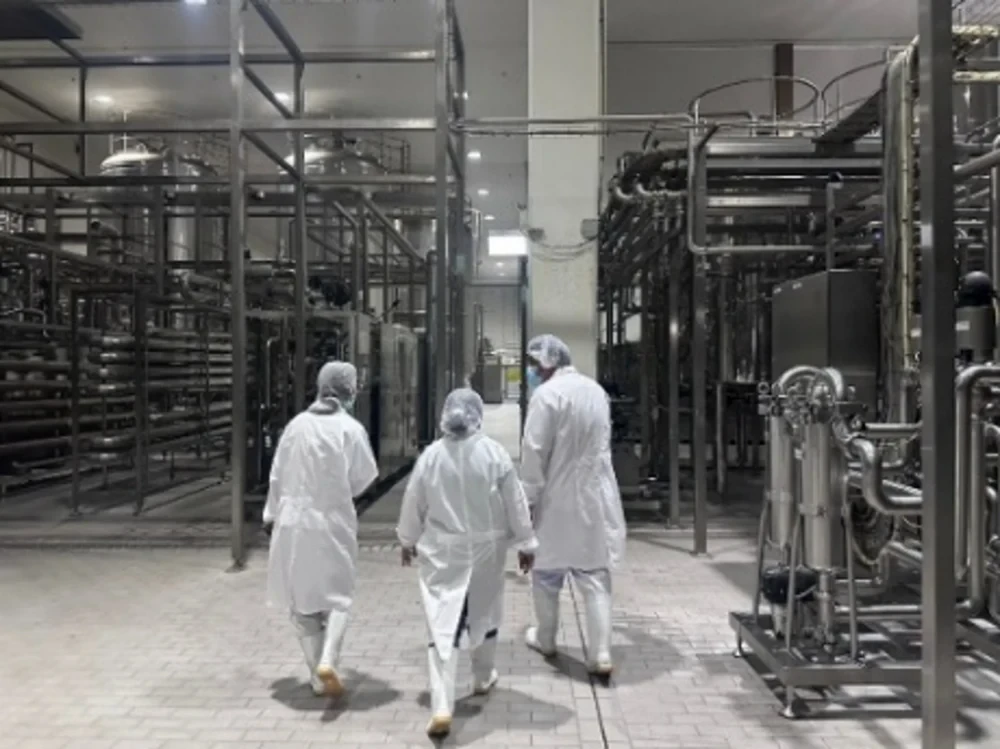
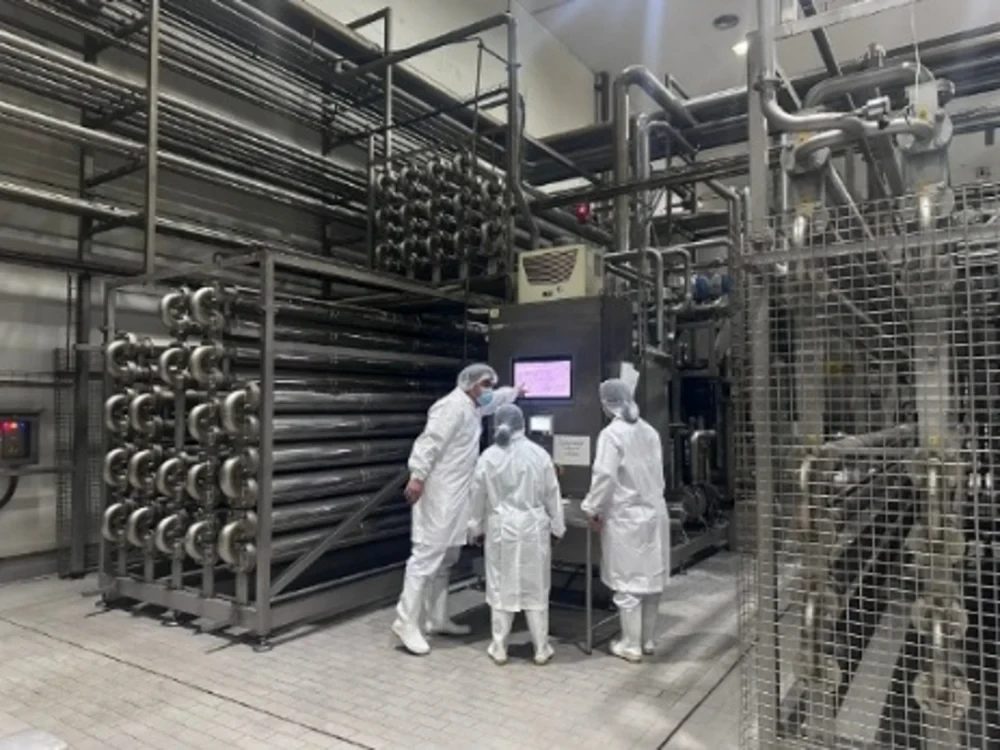
Factory, Quality, and Food Safety Standard Certifications
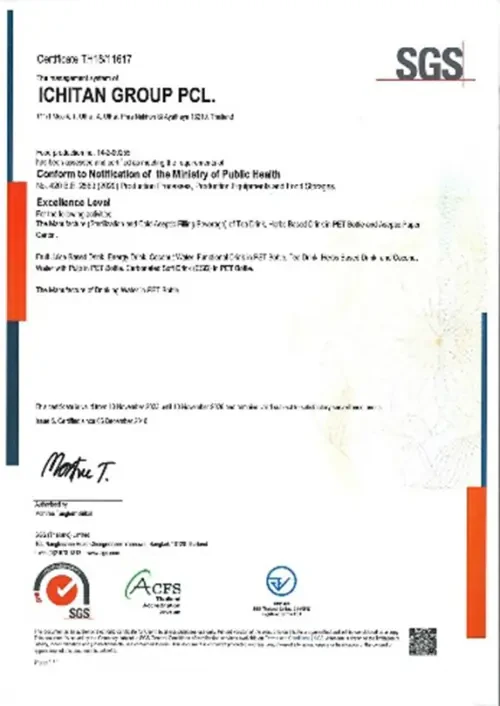
GMP FDA No.420
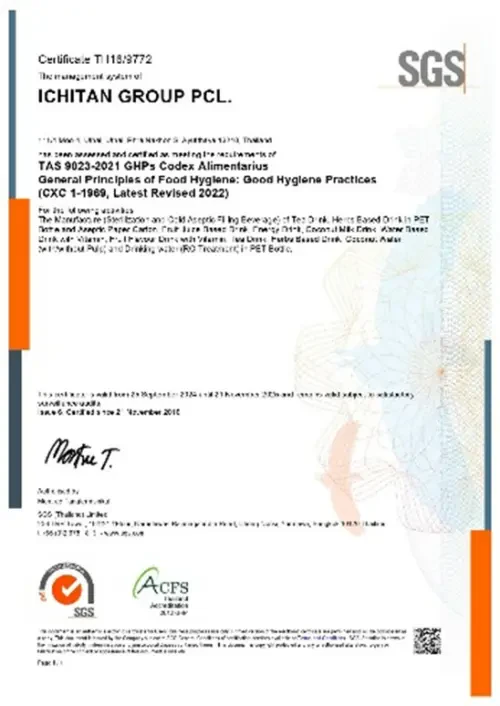
GHP Codex Alimentarius
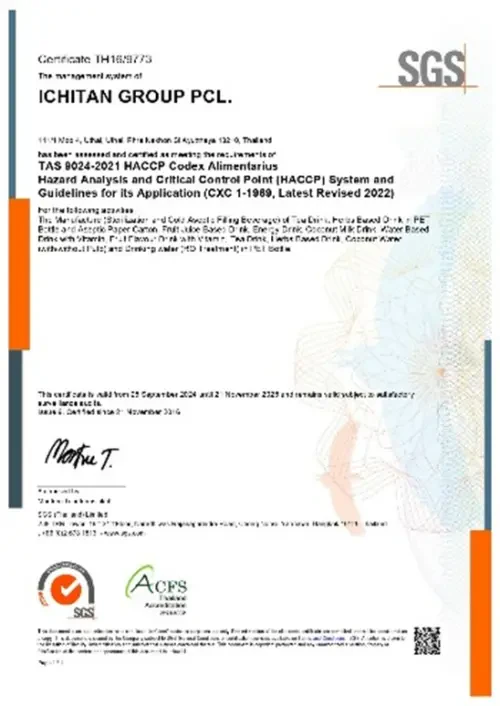
HACCP Codex Alimentarius
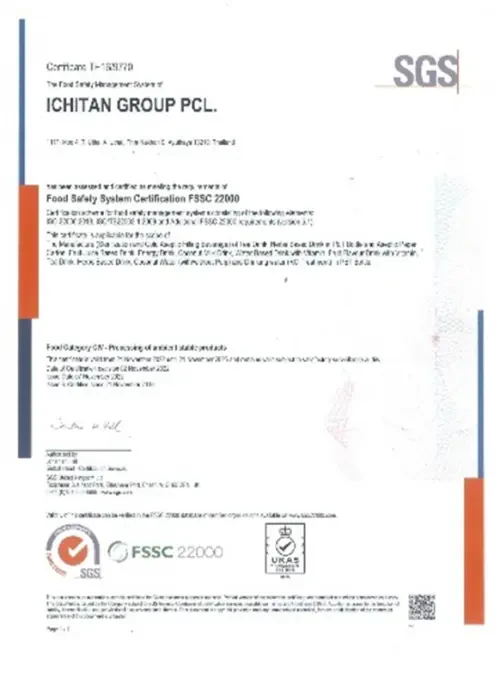
FSSC22000 Version 6.0
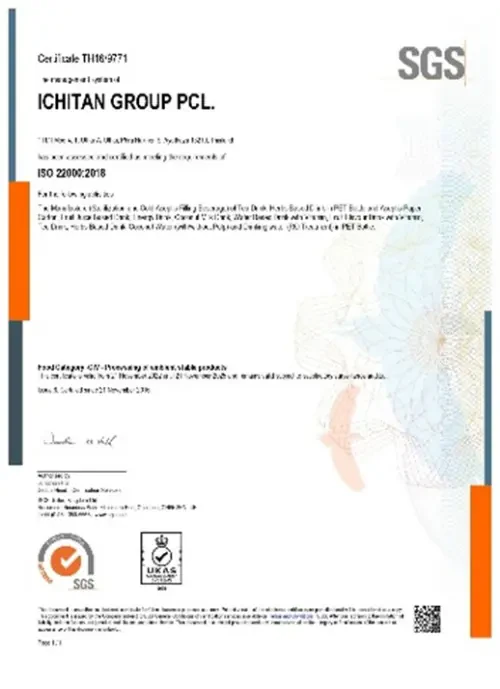
ISO22000:2018
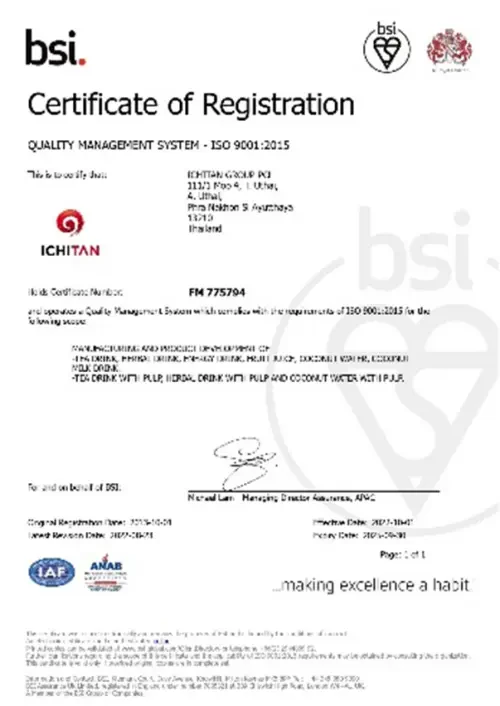
ISO9001:2015
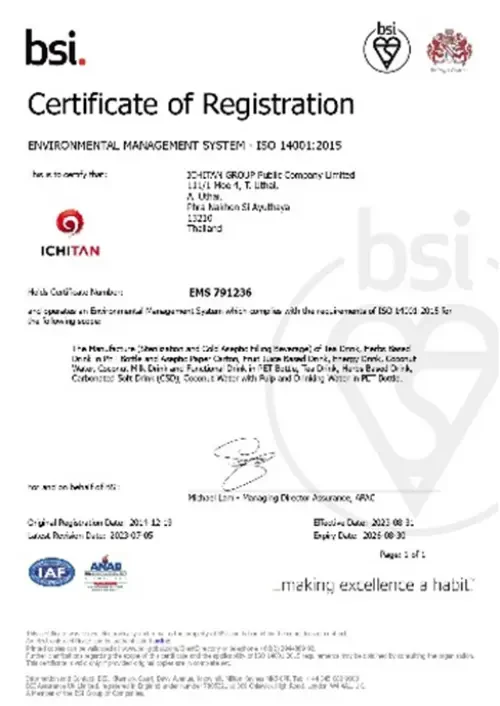
ISO14001:2015
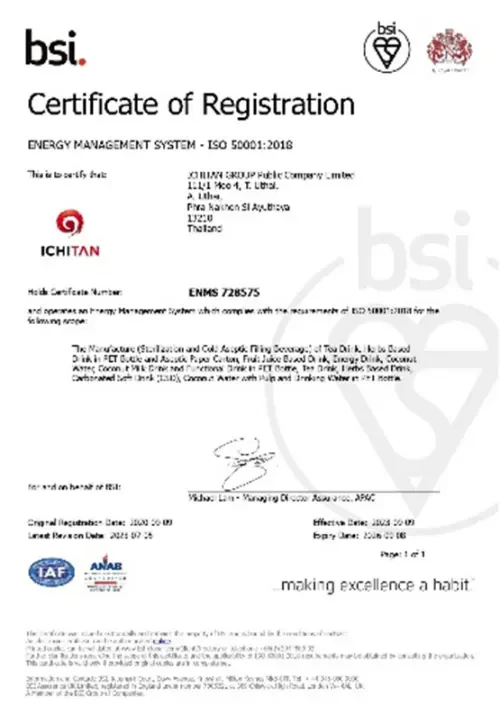
ISO50001:2018
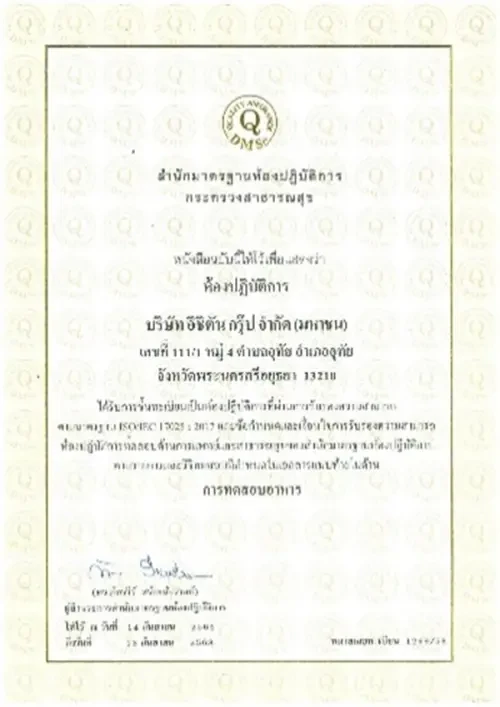
ISO/IEC17025:2017
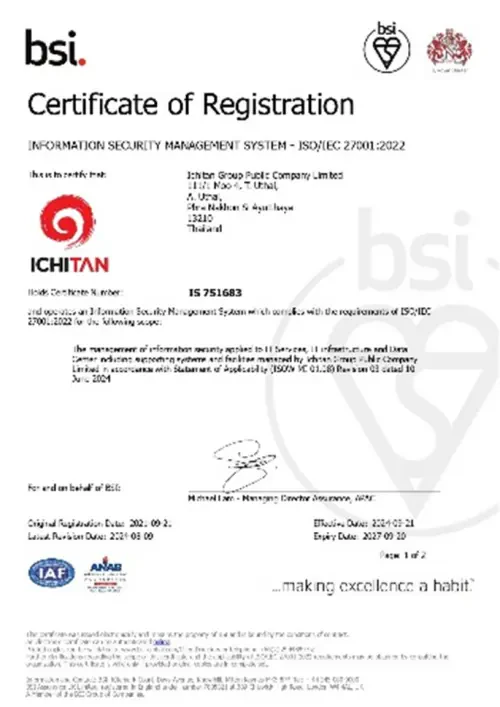
ISO/IEC27001:20022
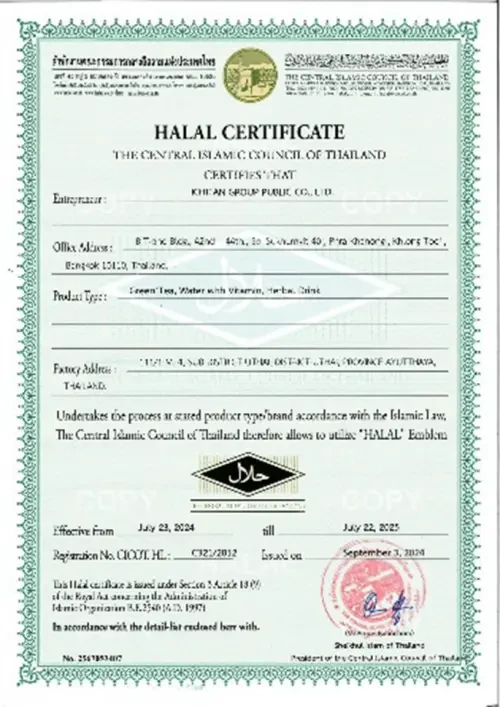
HALAL CICOT
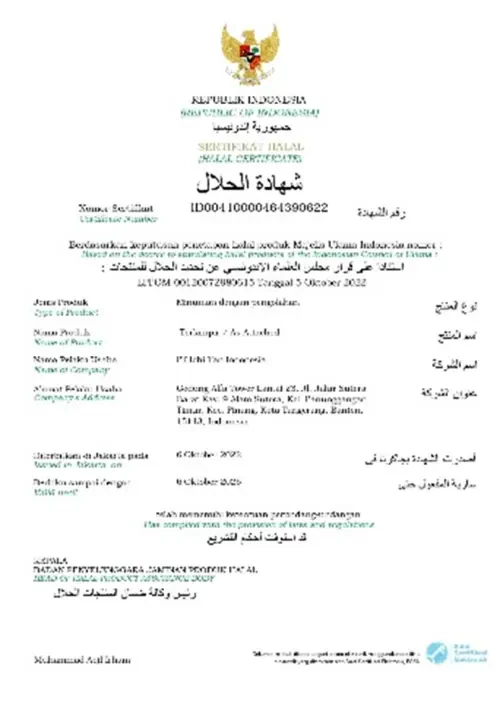
MUI HALAL
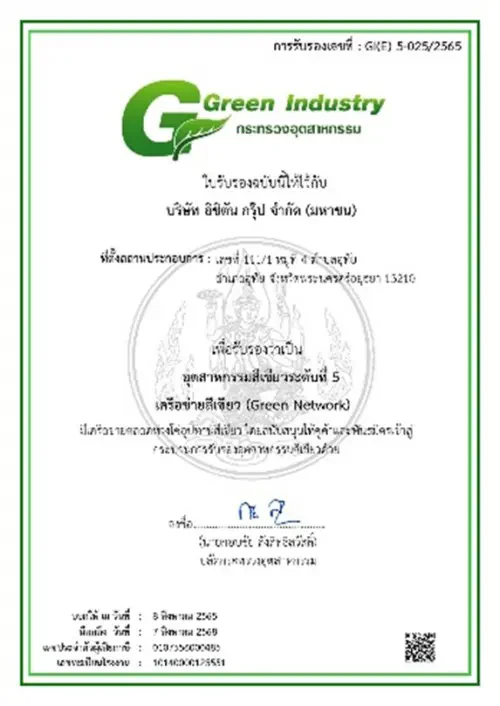
Green Industry Level 5
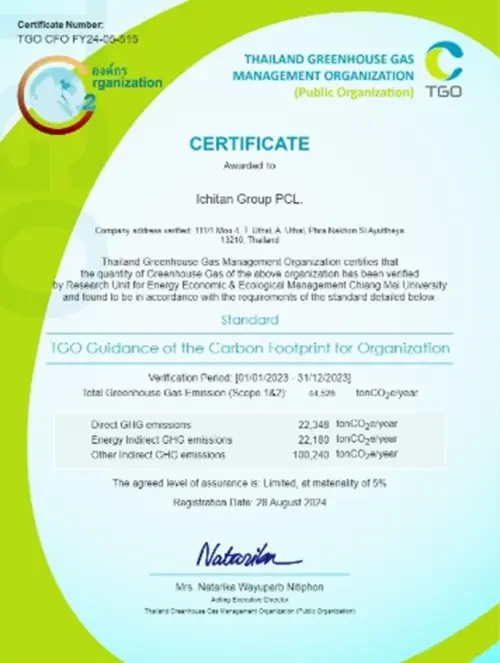
Carbon Footprint for Organization (CFO)
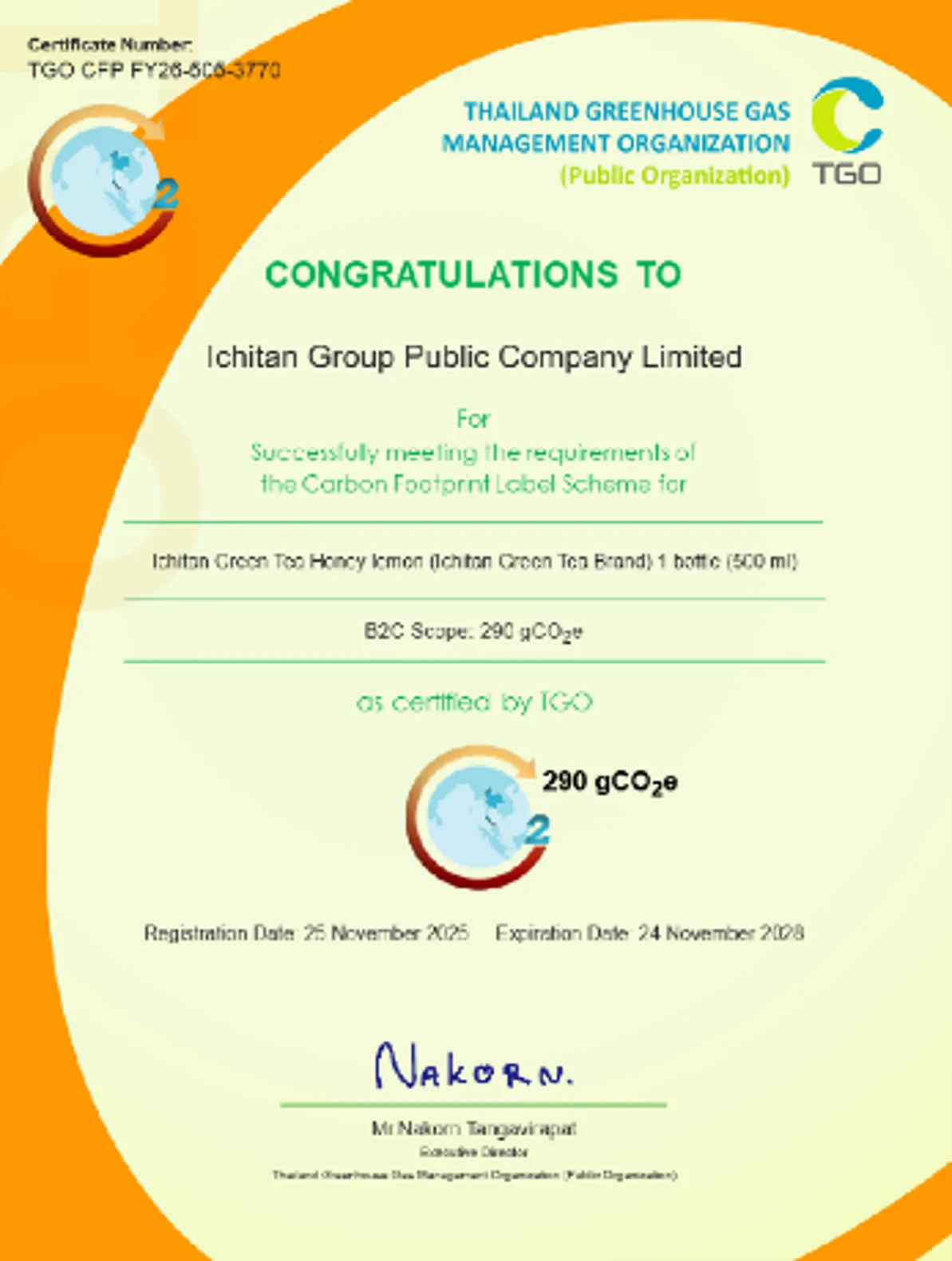
Carbon Footprint for Product (CFP)
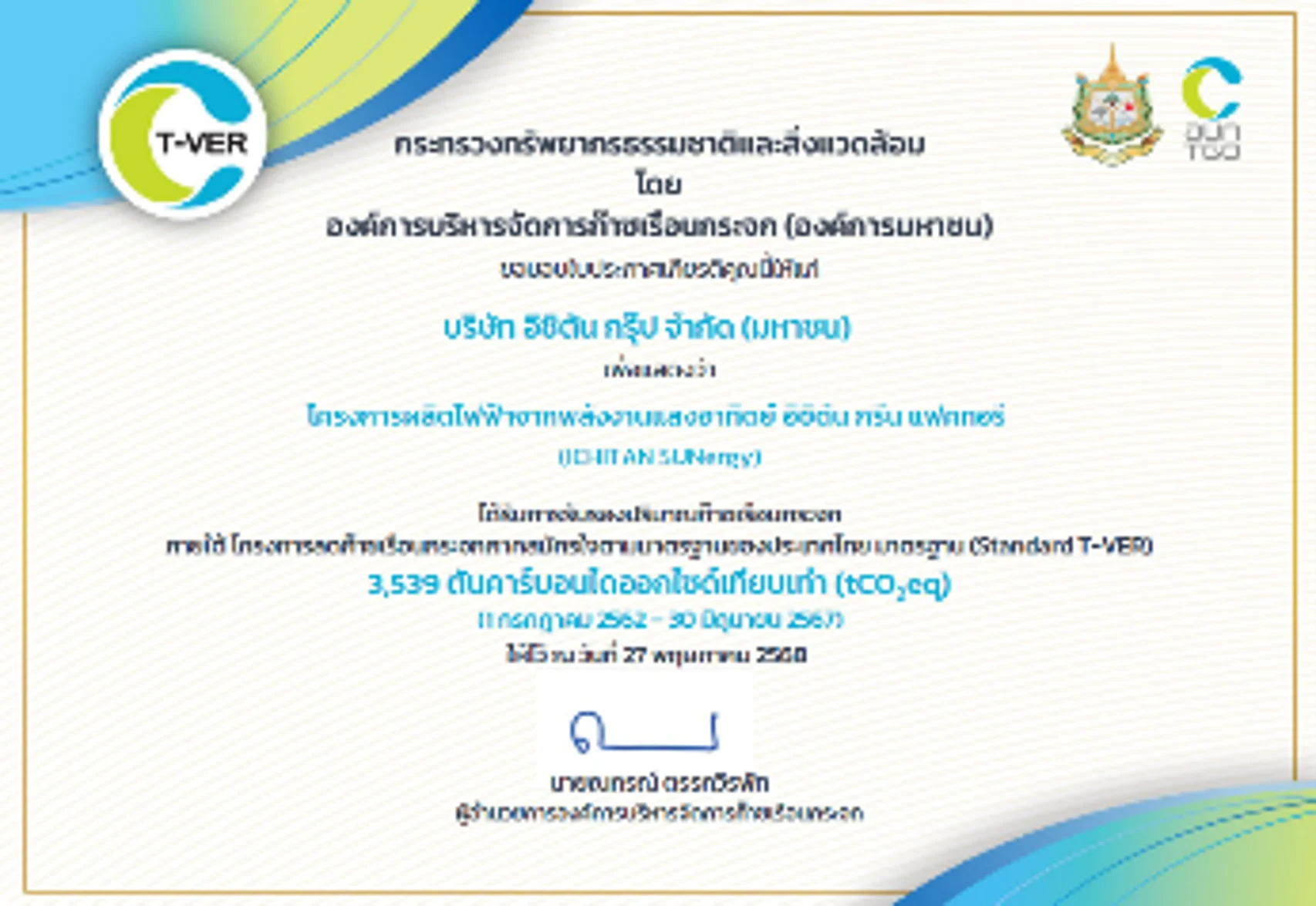
Thailand Voluntary Emission Reduction Program (T-VER)
Product Quality and Safety Risk Management
The Company prioritizes preventing risks from adulteration and intentional acts that could compromise food safety. It conducts risk assessments for food fraud (Food Fraud) and the prevention of sabotage or intentional contamination (Food Defense) annually under the FSSC 22000 Version 6.0 framework.
The Company conducts vulnerability and threat assessments throughout the entire supply chain, from raw materials and production processes to storage and transportation, to identify potential risk points where adulteration or intentional acts may occur and to determine appropriate control measures.
Key Control Measures
- Risk-based Supplier Evaluation
- Raw Material Specification and Traceability
- Control of access to production areas and critical areas (Access Control).
- Providing security systems like CCTV, visitor logs, and area surveillance.
- Inspection of raw materials and products according to the sampling plan.
- Training employees to recognize anomalies and report suspicious incidents appropriately.
In this regard, these measures help reduce the risk of adulteration, intentional contamination, and action that could compromise consumer safety, while strengthening confidence in the Company’s quality and food safety management system.
Traceability System
The Company has established a traceability system for tracing raw materials, packaging, and products both forward and backward, enabling the tracking and verification of product origins and pathways throughout the supply chain. This system encompasses all operations from raw material receipt through production, processing, storage, transportation, distribution, and final delivery to consumers. The Company systematically records relevant data – including production dates, lot numbers, and raw material sources – to ensure traceability is accurate, quick and efficient.
Furthermore, the traceability system is linked to risk assessment and supplier selection based on ESG principles to ensure raw materials are sourced legally, responsibly, and in compliance with international standards.
The Company benefits from these operations as follows:
- Use as data for analyzing and increasing the efficiency of production processes.
- Support quality control measures, such as stock management, raw material usage efficiency, product characteristics, and sourcing of raw materials.
- Enhance efficiency in product recall or withdrawal processes to enable rapid action and minimize potential impacts on consumers and business operations
- • Help clearly identify the causes of problems and build confidence in food safety among consumers and stakeholders.
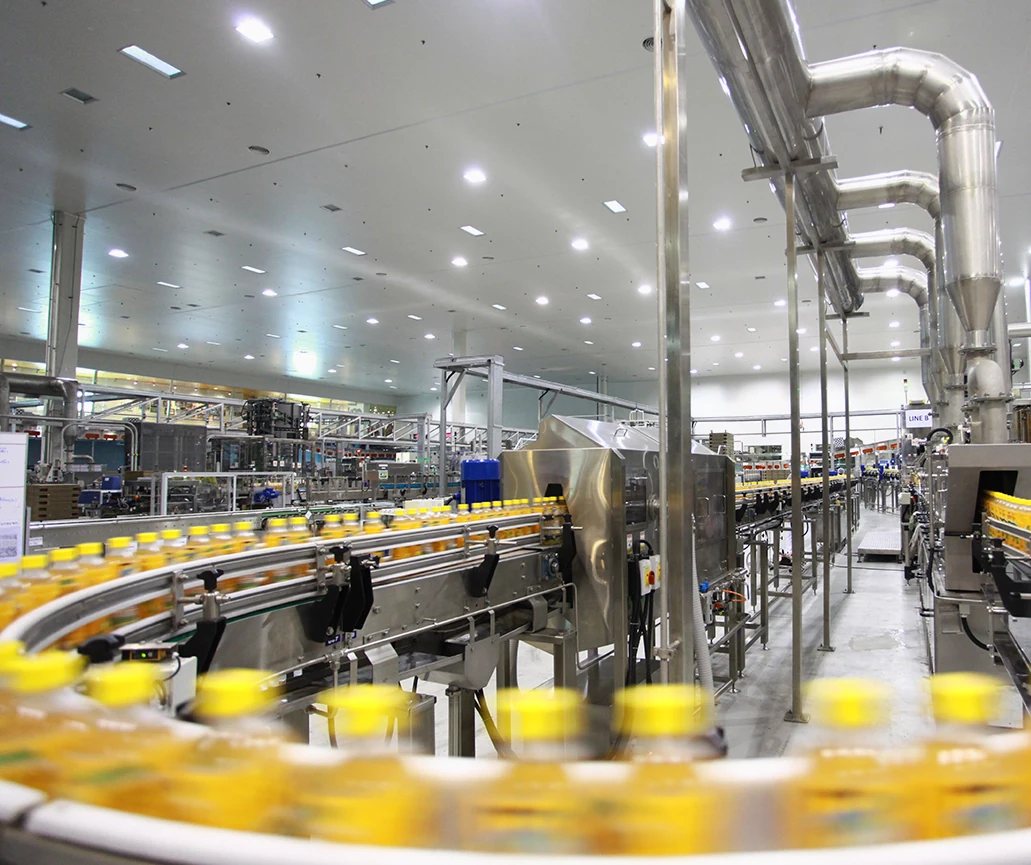
Traceability Process for Raw Materials, Packaging, and Products
The Company has established a systematic traceability process covering raw materials, packaging, and finished products. The system is tested at least once a year, and information can be traced within 4 hours according to the following key steps:
- Upon receiving a complaint or a request for a product recall/withdrawal due to non-compliance with the specifications of raw materials, packaging, or finished products.
- The Research and Development Department is responsible for establishing standards for raw materials, packaging, in-process products, and finished products to enable identification and data retrieval.
- The warehouse and delivery department is responsible for receiving, storing, and shipping products, and for recording related information such as product type, manufacturing or expiration date, quantity, and storage or shipping location.
- Quality assurance department checks and verifies the quality of raw materials and packaging.
- The production department performs the withdrawal of raw materials and packaging into the production process, along with recording production data according to the specified system.
- The quality assurance department controls and verifies the production process, including the analysis of raw materials, packaging, and finished products.
- The warehouse and delivery department handles storage and distribution according to the established system.
- The quality assurance department collects relevant data and documents to analyze the cause of the problem and performs the tracing of raw materials and packaging, considering ESG issues.
- The Company conducts random tests of the traceability system periodically to confirm its ability to accurately, quickly, and efficiently trace information.
Traceability Process




Mock Recall
The Company requires mock recall drills to be conducted at least once a year to assess the preparedness and effectiveness of the traceability system, as well as the communication procedures in the event of a food safety emergencies.
This testing covers product and production lot number identification, tracking raw materials back to their sources, tracking destination products, and assessing the quantity of products that can be tracked within the specified period, as well as testing the procedures for notifying management and related departments according to the specified process.
The Company aims to achieve 100% traceability of product information within 4 hours, along with preparing a test results report, identifying points for improvement and corrective guidelines, to develop the system’s efficiency continuously.ง
Performance Results for 2025
Food fraud and food defense risk assessments
have been fully assessed in accordance with the annual plan, representing 100% completion.
No significant cases
of food fraud or food defense incidents were found.
No incidents
affecting consumer safety were found.
Conducted
one mock product recall drill.
Traceability
of products and raw materials is complete, at 100 percent.
The traceability time
is 4 hours, in line with the Company’s target.
Complaint Management Process
The Company prioritizes comprehensive customer complaint management, focusing on the protection of consumer safety and the consistent quality of its products. It has implemented a systematic process for handling complaints, encompassing receipt of complaints, fact-checking, root cause analysis, corrective and preventative actions, and written reporting of results, all certified by management.
Additionally, the Company systematically collects and stores complaint data to analyze trends and root causes, and uses this information to improve production processes, quality control, and risk management, continually enhancing customer satisfaction and confidence.

Channels for Submitting Complaints

Supplier Satisfaction Assessment
The Company conducts customer satisfaction assessment twice a year, requesting customers' cooperation to evaluate product quality and service delivery based on factual performance. The data obtained is analyzed to identify potential issues, root causes, and deficiencies, which serve as a foundation for establishing guidelines for continuous improvement and service development.
The supplier satisfaction survey covers 3 key areas:
- Product Delivery, Quality, and Food Safety
- Communication and Service Delivery
- Transportation Services
Satisfaction Score
- Level 5: Excellent
- Level 4 - Good
- Level 3 Standard
- Level 2: Improvement Needed
- Level 1: Urgent Improvement Needed

0 case
of a product recall concerning food quality and safety, there were no instances of non-compliance with applicable laws or international standards.

The satisfaction level of business partners with food safety and quality management of the products was
91.07%

The Company emphasizes building a culture of quality and food safety within the organization. This ensures all employees at all levels understand their roles and responsibilities in upholding product quality and safety standards. This is achieved through ongoing training programs, activities, and communication of relevant practices to strengthen knowledge, understanding, and operational practices in alignment with established standards.
In addition, the Company encourages employees to participate in monitoring and reporting any issues that could affect product quality and safety, to support risk prevention and the continuous development of its food safety management system.
100%
of employees involved in the production process received training in food safety and quality management.

Our Projects
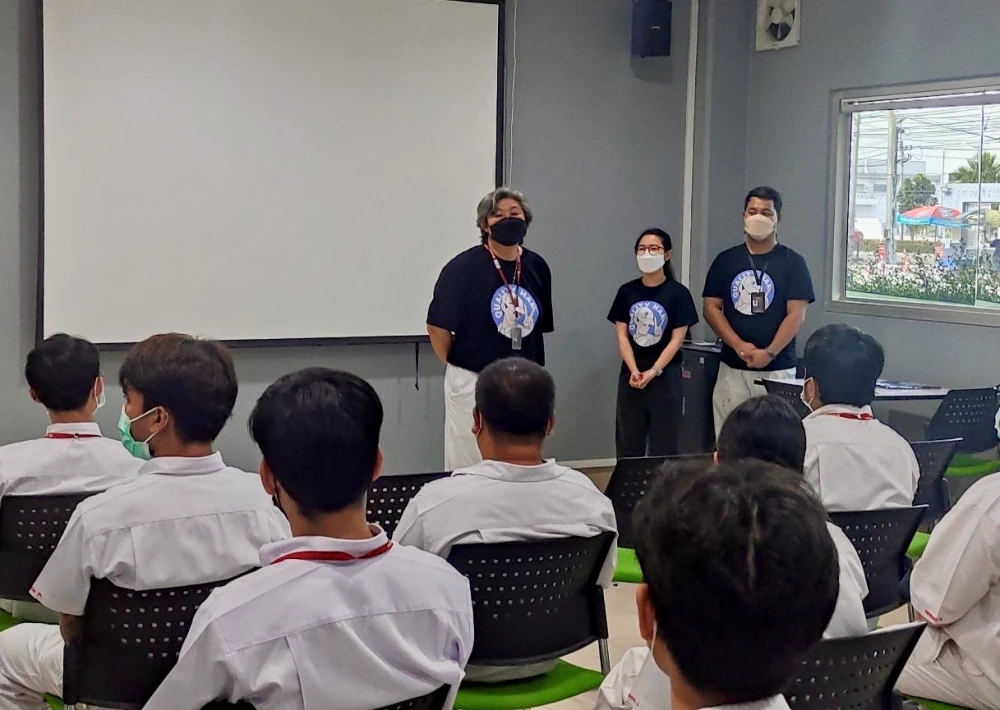

Our Activities
Ichitan Group Public Company Limited has continuously carried out sustainability initiatives, focusing on environmentally and socially responsible production.